
At Geneva Global, we have seen firsthand how literacy changes lives. Through innovative approaches that combine foundational literacy and numeracy with practical life skills and community support, learners gain the knowledge and confidence needed to improve their futures. This World Literacy Day, we are celebrating the stories of women whose lives have been transformed through literacy and learning.
Our Approach to Literacy
Literacy is typically defined as the ability to read and write. These foundational skills are essential, opening the door to learning and opportunity. At Geneva Global, we view literacy as more than the ability to decode words on a page. In today’s world, success requires multiple forms of literacy, including digital and media literacy, financial literacy, and the ability to “read a room” as well as read a book. It means understanding information, questioning assumptions, managing finances, navigating relationships, and making informed decisions. In a rapidly changing world, literacy is not just a skill. It is a set of capabilities that help people learn, adapt, and thrive.
This broader understanding of literacy is central to our Learning for Life and Livelihoods (L3) approach to education, which is used throughout Geneva Global’s Speed School model, an accelerated learning program that helps out-of-school children acquire foundational skills and transition into formal education. Using the L3 approach paired with activity-based student-centered pedagogy, learners actively engage with ideas, connect lessons to their own experiences, and develop skills that extend beyond the classroom. Rather than focusing solely on memorization, learning is grounded in real-world contexts and encourages curiosity, critical thinking, collaboration, and reflection.
By making learning relevant, participatory, and connected to everyday life, learners build not only foundational literacy and numeracy but also the confidence and competencies needed to apply their learning in meaningful ways. These impacts endure long after learners leave the program. Longitudinal studies and other research conducted in Ethiopia and Uganda all show that Speed School learners typically continue to outperform their peers in formal schooling while also demonstrating stronger communication, leadership, problem-solving, and interpersonal skills that support long-term success.
While Speed School supports learners to transition into and succeed in formal education, we recognize there is no single path to a successful future. After primary school, some learners continue through secondary school and pursue higher education. Others choose vocational training, entrepreneurship, or enter the workforce as employees. As learners move along these different pathways, literacy remains essential. Whether reading a textbook, managing finances, communicating with customers, or making important life decisions, literacy helps them navigate the world.
Mary Goretti’s story is one example of how literacy can create pathways to independence and opportunity.
Mary’s Journey from Student to Entrepreneur
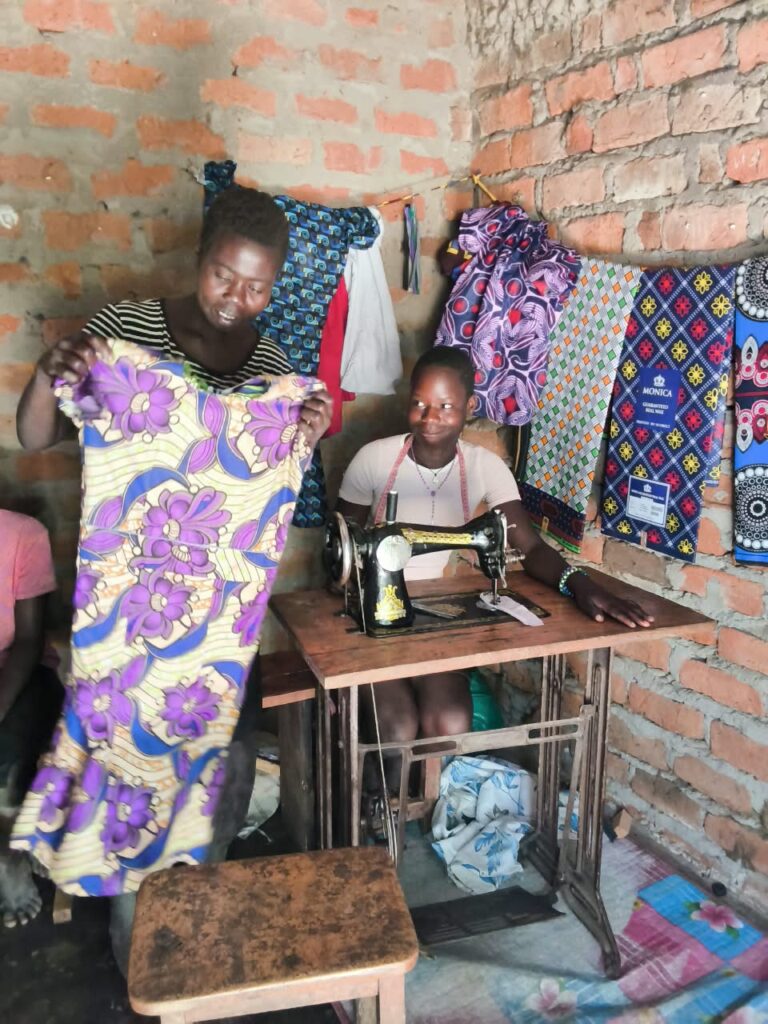
At just 18 years old, Mary Goretti has transformed a second chance at education into a pathway to independence. As the eldest of seven children raised by a single mother, Mary dropped out of primary school for two years when her family could no longer afford school-related costs. In 2024, she enrolled in Speed School Level II, covering a condensed version of the official Grades 4 and 5 curriculum to be able to join her age peers in Grade 6 just ten months later.
She went on to graduate from primary school the following year. Through the program, she returned to learning and solidified the literacy and numeracy skills that will shape her future. The experience gave her the confidence to pursue opportunities she once thought were out of reach and the life skills to navigate the transition from student to entrepreneur.
After completing primary school, Mary Goretti chose to pursue tailoring, a trade she had been drawn to since childhood. During a six-month vocational training program, she applied the foundational numeracy and literacy established through formal education to learn skills like garment design, cutting, sewing, and measurement. She now runs a small tailoring business, mending clothes, creating garments, and selling fabrics to customers in her community. Beyond technical skills required for tailoring, the literacy, numeracy, and confidence she developed through Speed School play a vital role in her work, helping her keep customer records, communicate effectively, and ensure that she is paid fairly for her services.
The business has enabled Mary Goretti to support herself and contribute to her family’s well-being. “I am proud of attaining a skill in tailoring because I can now pay my own bills,” she says. She hopes to continue her training in fashion and design and one day help her mother build a permanent home for the family. Mary’s story illustrates what true literacy can make possible when it extends beyond the classroom. The ability to learn, adapt, and act with confidence has helped her turn her return to formal education into long-term independence and a stable future for herself and her family.
Supporting Families Through Financial Literacy
While Mary Goretti’s story demonstrates how literacy can help young people pursue livelihoods and economic independence, literacy remains equally important for the adults who support them. Parents and caregivers make decisions every day that shape their families’ well-being and their children’s futures. To support families alongside learners, Geneva Global organizes Self-Help Groups (SHGs) for the parents and guardians of children enrolled in Speed School. These groups help strengthen economic resilience while supporting children’s continued participation and success in school.
While many SHG members have had limited access to formal education or opportunities to develop traditional literacy skills, they bring a wealth of lived experience and practical knowledge and skill. SHGs build on these strengths while introducing financial literacy that can help participants make informed decisions and create new opportunities for their families. Members learn how savings and lending can support growth and explore ways to identify unmet needs within their local communities that can be transformed into sustainable sources of income. Along the way, they build confidence in their ability to navigate economic challenges and pursue new opportunities.
In Wonago Woreda of Ethiopia’s Gedeo Zone, Geneva Global partnered with local stakeholders to support four Self-Help Groups for parents and guardians of children enrolled in Speed Schools. Through the groups, participants demonstrated a strong commitment to learning, applying new knowledge in their daily lives. Many expressed a desire to continue developing skills that could strengthen their families’ economic security and create new opportunities for the future.
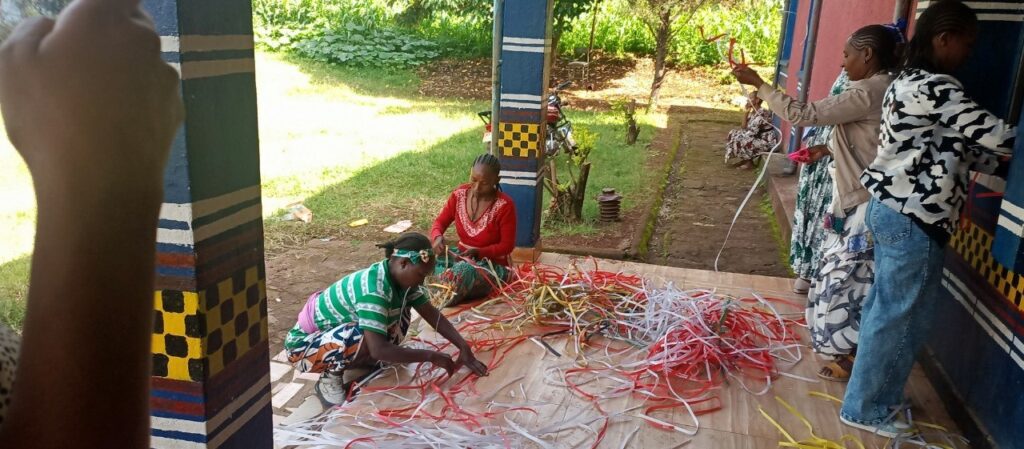
In response, 80 women from four schools were engaged in a specialized training in Zembil, a traditional Ethiopian weaving craft that transforms locally available, natural materials into durable baskets, bags, and other household goods. Passed down through generations, the craft reflects local knowledge and cultural identity. The training provided participants with marketable skills that could generate sustainable income while preserving local knowledge and resources.
For many participants, this experience has led to greater confidence and independence.
“Before joining the SHG, I depended on irregular support from others. Today, I participate confidently in discussions and earn income through Zembil production. Most importantly, I can better support my children’s education and future.” – Firenesh Taye, SHG Member
The impact has extended well beyond individual learners. Schools have reported stronger parental engagement, improved attendance among children, and greater support for learning at home. Women who once faced challenges in managing household finances are now better equipped to plan, save, and invest in their families’ futures.
As Mrs. Tirufat Mengistu, Team Leader at the Wonago Woreda Education Office, explained:
“When mothers become literate, economically empowered, and socially connected, the benefits extend beyond individual families. Children receive stronger educational support and schools benefit from active parental engagement.”
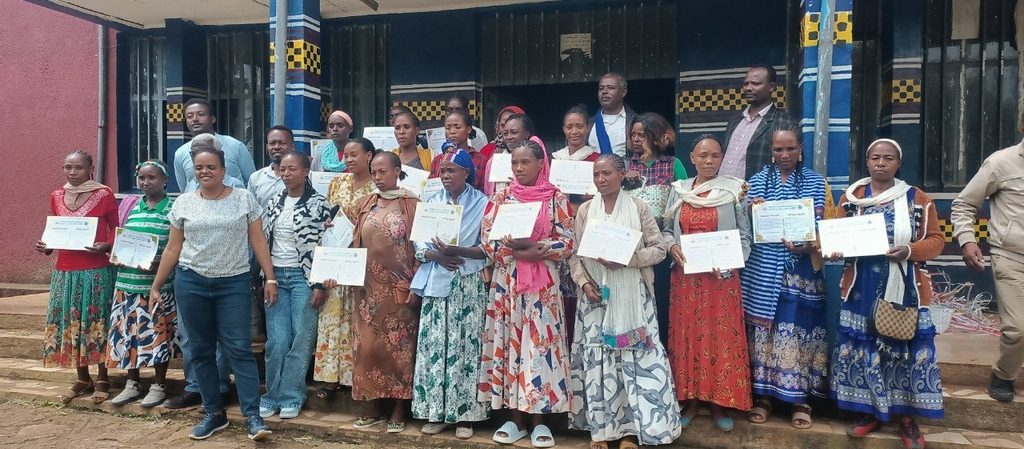
The story of these mothers in Ethiopia demonstrates that when participants apply what they have learned, the benefits continue to ripple outward, shaping both their own futures and those of their children.
This World Literacy Day, we celebrate the learners, educators, and communities advancing literacy every day. These stories remind us that literacy is more than just reading and writing. It is about comprehension, not only of the words on a page, but also of the world around us. It is the ability to make sense of information, recognize opportunities, and understand how our choices shape the futures we build for ourselves and our families. When students and parents develop these capabilities, the benefits extend far beyond individuals to families, schools, and entire communities.